
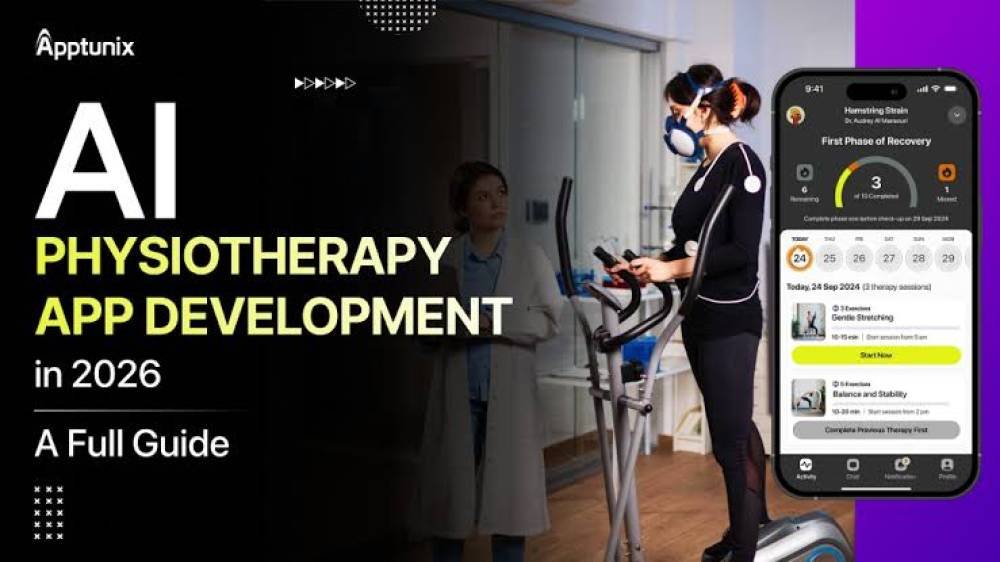
Fitness apps have moved far beyond simple step counters and workout libraries. In 2026, users increasingly expect personalized workouts, wearable integration, real-time health insights, trainer support, and intelligent recommendations in one connected experience.
AI is becoming a central part of this shift. Instead of showing every user the same workout plan, modern fitness applications can use activity data, goals, workout history, sleep patterns, heart rate, and other metrics to create more relevant recommendations.
Wearable technology also remains one of the biggest fitness trends in 2026, while mobile exercise apps continue to play a major role in how people manage training and wellness.
1. AI-Powered Personalized Workout Plans
Traditional fitness applications often provide predefined workout programs.
AI-powered fitness apps can create a more personalized experience by considering information such as:
- Fitness goals
- Current fitness level
- Previous workouts
- Available equipment
- Activity levels
- Recovery data
- Sleep patterns
- Heart rate and other wearable metrics
The workout program can then adapt as the user's activity and performance change.
This type of adaptive coaching is becoming increasingly important in modern fitness products. Research into AI-powered diet and exercise applications also highlights personalization and continuous coaching as major areas where AI can affect user experience.
2. Integration With Apple Health and Health Connect
Fitness applications are becoming part of larger connected-health ecosystems.
On iOS, developers can integrate Apple HealthKit to access health and fitness data with user permission.
On Android, Health Connect provides a centralized way for compatible applications to share supported health information.
A fitness application can potentially use data such as:
- Steps
- Walking distance
- Running distance
- Heart rate
- Resting heart rate
- Active calories
- Exercise minutes
- Sleep duration
- Weight
- BMI
- Oxygen saturation
This data helps fitness apps provide recommendations based on real activity rather than relying only on information entered manually.
Wearable and health-platform integration is increasingly considered a core requirement for modern fitness applications.
3. Smarter AI Fitness Coaching
One of the biggest changes is the rise of AI-powered coaching.
Instead of simply displaying statistics such as:
8,200 steps completed
a smarter fitness application could interpret the data and provide useful context, for example:
Your activity level is lower than your weekly average. Consider adding a short evening walk to reach your daily movement goal.
The goal is to transform raw fitness information into actionable guidance.
Google's Health Coach is an example of this direction, combining fitness, sleep and other contextual information to provide personalized guidance and workout suggestions.
4. Connecting Users With Real Personal Trainers
AI does not necessarily replace human trainers.
A strong fitness platform can combine AI automation with professional coaching.
For example, users can use AI for everyday recommendations while connecting with a personal trainer when they need expert guidance.
A trainer-focused fitness platform may include:
- Trainer discovery
- Trainer profiles
- Specializations
- Certifications
- Ratings and reviews
- Workout assignment
- Exercise videos
- Progress tracking
- Messaging
- Personalized coaching
This creates a hybrid fitness experience where technology handles routine tracking while trainers provide human expertise and motivation.
5. Wearable-Based Fitness Tracking
Wearable devices continue to influence fitness-app development.
Smartwatches and fitness trackers can collect information throughout the day, giving applications a much clearer picture of a user's activity and recovery.
Wearable technology remains one of the leading fitness trends for 2026.
Modern apps can combine wearable information with AI to identify patterns across:
- Activity
- Workouts
- Sleep
- Recovery
- Heart rate
- Calories
- Exercise frequency
Instead of displaying isolated measurements, applications can turn this information into meaningful progress insights.
6. Intelligent Progress Tracking
Charts and dashboards are becoming more useful when they explain progress rather than simply showing numbers.
A modern fitness dashboard might provide:
Daily View
Current activity and health information.
Weekly View
Trends across the last seven days.
Monthly View
Longer-term progress.
Yearly View
Changes in activity, weight, fitness and other metrics over time.
AI can add another layer by highlighting meaningful changes automatically.
For example:
Your average weekly activity increased by 12% compared with last month.
This makes health information easier for users to understand.
7. AI Workout Recommendations
Another important feature is intelligent workout recommendation.
Instead of asking users to search through hundreds of exercises, an app can recommend workouts based on:
- Fitness goal
- Experience
- Workout history
- Available equipment
- Training frequency
- Recovery information
- Preferred workout duration
For example, a beginner interested in strength training could receive a different program from an experienced user training five days per week.
8. Better Trainer Dashboards
AI can also help personal trainers.
A trainer dashboard could summarize client information such as:
- Workout completion
- Weekly activity
- Missed workouts
- Weight trends
- Exercise consistency
- Progress toward goals
This gives trainers a quick overview of client progress without manually reviewing every data point.
9. Privacy and Health Data Security
Fitness applications often process sensitive health information.
Developers therefore need to consider privacy and security from the beginning of development.
Important practices include:
- Requesting only necessary permissions
- Clearly explaining why health data is needed
- Secure API authentication
- Encrypted data transmission
- Secure storage
- Permission management
- Account deletion controls
- Transparent privacy policies
As AI fitness applications increasingly combine wearable, behavioral and health information, privacy becomes even more important. Academic research on AI wellness applications identifies privacy and surveillance concerns alongside the benefits of personalization. JMIR
10. The Future of Fitness Apps
The future of fitness apps is likely to involve a combination of:
AI + wearable data + personalized coaching + human trainers
Rather than functioning as simple workout libraries, fitness platforms are becoming intelligent ecosystems that understand user activity and help users make better fitness decisions.
Businesses planning a fitness application in 2026 should therefore think beyond basic workout tracking.
The most competitive platforms will focus on creating a connected experience where users can:
- Monitor their activity
- Understand their progress
- Receive personalized recommendations
- Follow structured workouts
- Connect with professional trainers
- Synchronize wearable data
- Adjust goals over time
Final Thoughts
AI is changing fitness app development by making fitness experiences more personalized, connected and data-driven.
However, successful fitness applications should not use AI simply because it is popular.
The technology should solve real user problems.
A well-designed fitness platform combines intelligent recommendations, reliable health tracking, simple user experiences and professional coaching to help users make consistent progress.
For businesses planning a new fitness product, 2026 is an excellent time to explore AI-powered fitness app development and wearable integration.